L’arte rupestre sulle Alpi Apuane è stata per la prima volta identificata una ventina di anni fa, da allora sono state registrate e segnalate centinaia di incisioni rupestri, parte probabilmente di un quadro più ampio costituito da migliaia di glifi che devono ancora essere scoperti.
Le incisioni sono per lo più rappresentate da simboli o immagini schematiche e coprono un lungo arco temporale, dal Neolitico all’età moderna.
The rock art on the Apuan Alps has only been explored during the last two decades and the recording of hundreds of stones with rock art, part of a larger framework of probably thousands which need still to be discovered.
The engravings are mostly symbols or schematic pictures and cover different time periods ranging from the Neolithic to modern time.
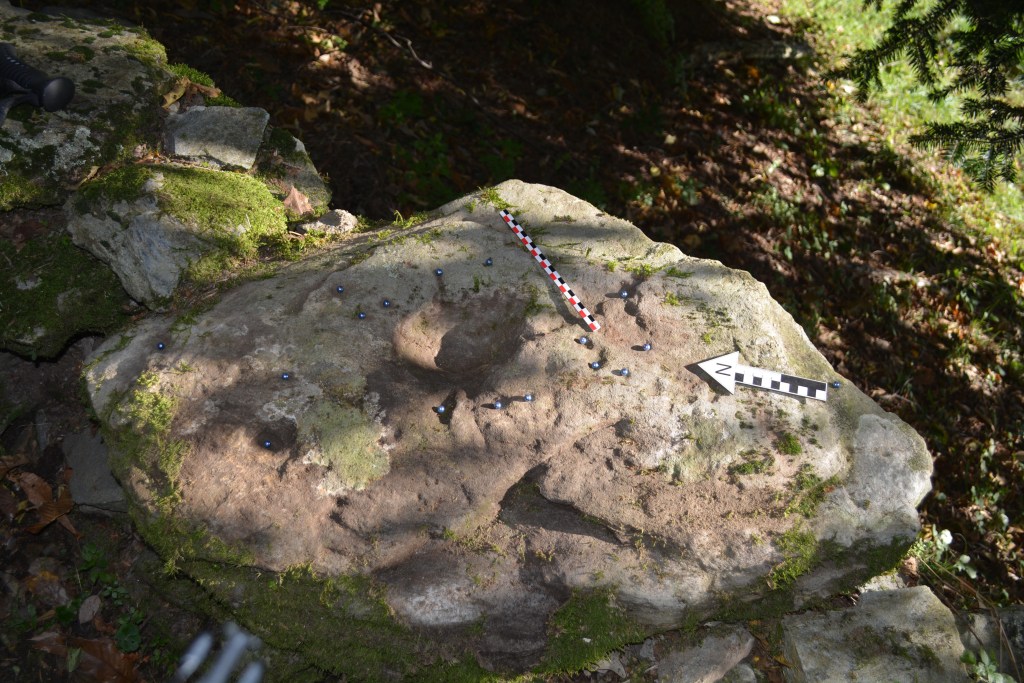
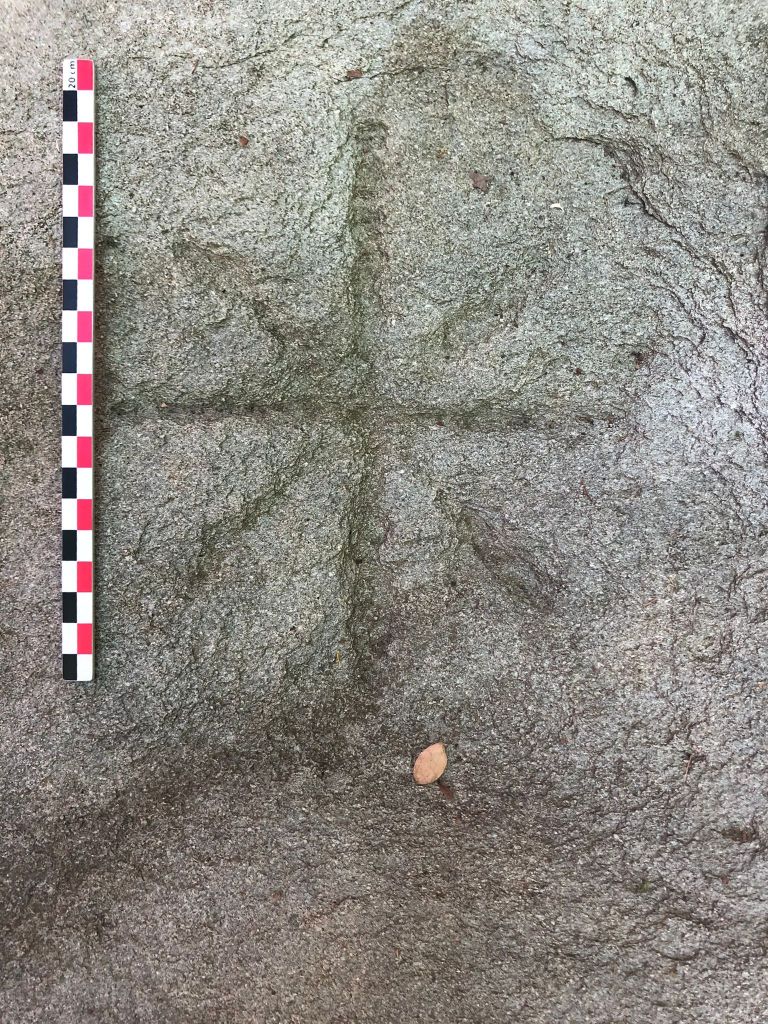
I dati raccolti mostrano la presenza di glifi semplici isolati o in composizione, in alcuni casi una serie di motivi si ripetono in rappresentazioni multiple geometriche come rombi e coppelle oppure sono rappresentate figure stilizzate come antropomorfi filiformi, simboli solari/stelle o pennati.
The collected data show the presence of simple glyphs isolated or in composition; in some cases, a series of motifs are repeated in multiple geometric representations such as rhomboids and cup marks. Stylised figures such as filiform anthropomorphs, solar/star symbols, or bill hooks symbols are also found.
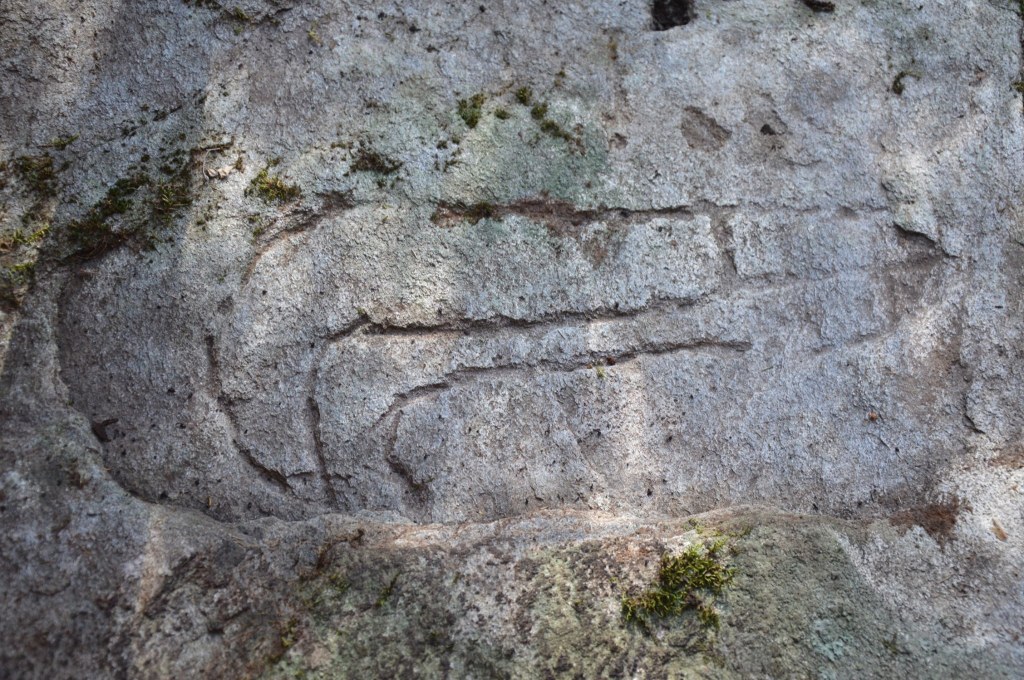
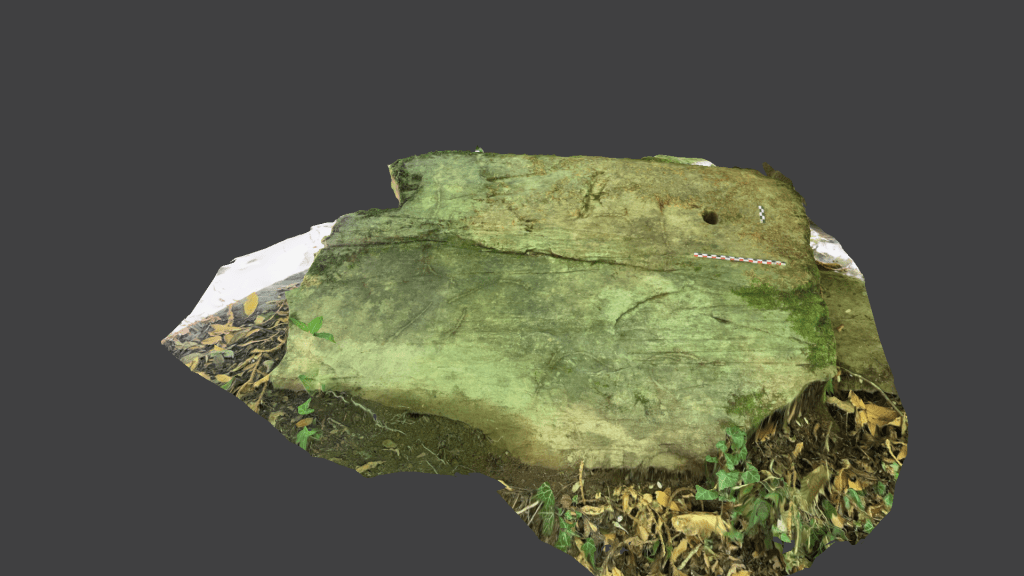
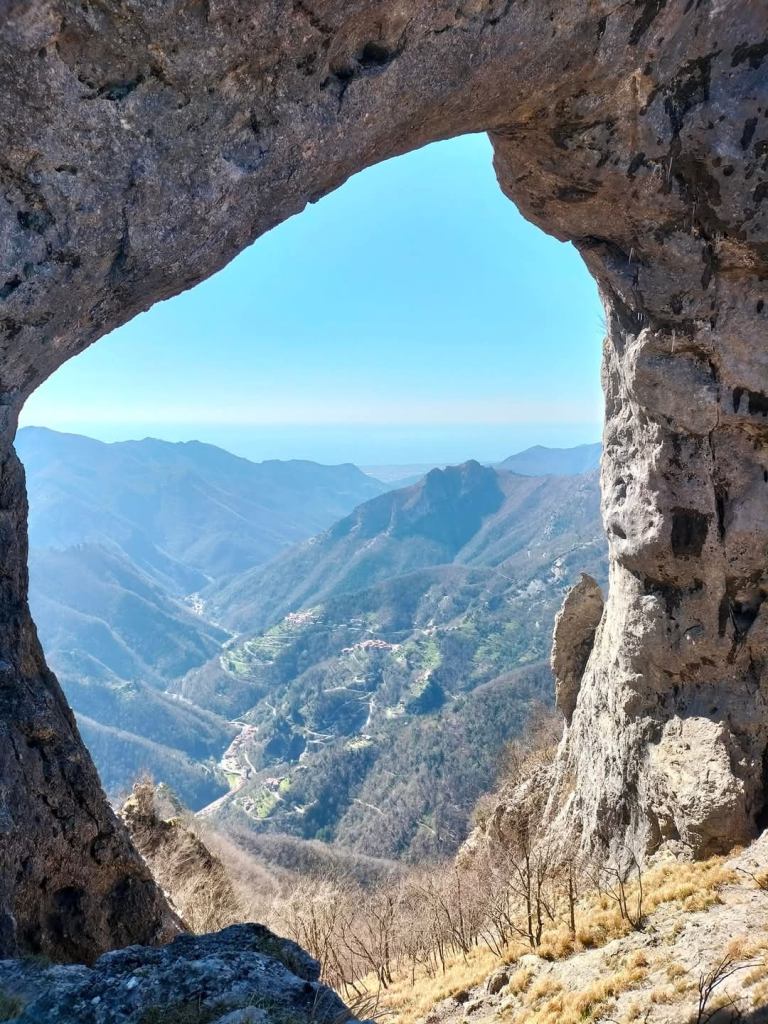
Le incisioni si trovano spesso su grandi massi/macigni lungo i sentieri o affacciati su dirupi e talvolta sono orientati in direzioni specifiche riconducibili a particolari indicatori paesaggistici come il Monte Forato, una montagna con un grande foro verticale sulla sommità alto circa 30 metri, oppure i Monti Procinto e Nona.
The rock art is often found on large stones near the paths or facing panoramic views in particular directions, sometimes recognisable as specific topographic features like Monte Forato, a mountain crowned by a large vertical hole some 30 m high, or the mountains Procinto and Nona.
Diverse popolazioni – Liguri Apuani, Etruschi, Romani, Celti, Longobardi – hanno vissuto in questa difficile area geografica nel corso dei millenni, adattandosi alle dure condizioni ambientali perchè interessate al controllo delle vie di comunicazione a lunga distanza e alle preziose risorse naturali di cui si ha testimonianza nelle antiche miniere e cave di marmo.
L’arte rupestre ha stratificato le loro occupazioni, il loro pensiero, i loro rituali e le loro strategie di sopravvivenza.
The wide presence of rock carvings in the area of the Apuan Alps no doubt reflects multiple layers of purposes and meanings which need to be further investigated. Different populations – Liguri Apuani, Etruscans, Romans, Celts, Longobardi – have lived in this challenging environment over the millennia, adapting to the harsh conditions, while striving to control routes of comunication in long distance networks, and to exploit precious natural resources as documented by ancient mines and marble caves.
The rock art has stratified their occupations, their thinking, rituals and strategy of surviving.
 VERSILIA HERITAGESCAPE